
Introduction
Quantum mechanics is one of the most important theories in modern physics. It explains how the smallest particles in the universe behave: particles like electrons, photons, and atoms.
At first glance, it sounds like a complex and abstract subject. But the basic idea is surprisingly simple:
At very small scales, the universe does not behave in a predictable way.
The Shift from Classical Physics
Before quantum mechanics, scientists believed the universe worked like a machine. If you knew the position and motion of every object, you could predict the future.
This idea worked well for large objects like planets and stars. But when scientists began studying atoms and smaller particles, the rules stopped working.
Instead of following fixed paths, particles behaved in unexpected ways.
Wave-Particle Duality
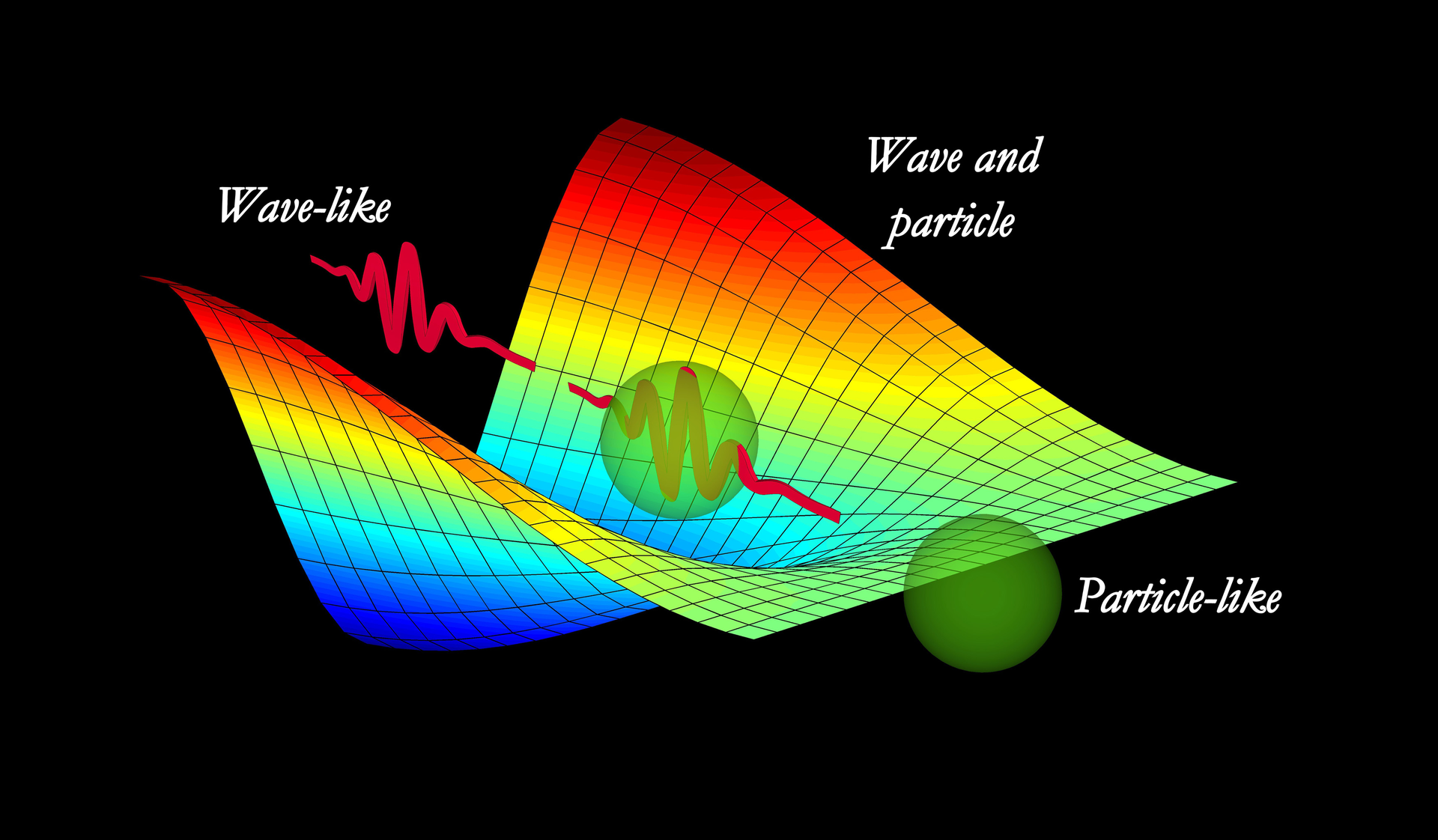
One of the most surprising discoveries in quantum physics is that particles can behave like both particles and waves.
Light, for example, can act like a stream of particles called photons. But it can also behave like a wave, spreading out and creating patterns.
This dual nature is called wave-particle duality.
Superposition
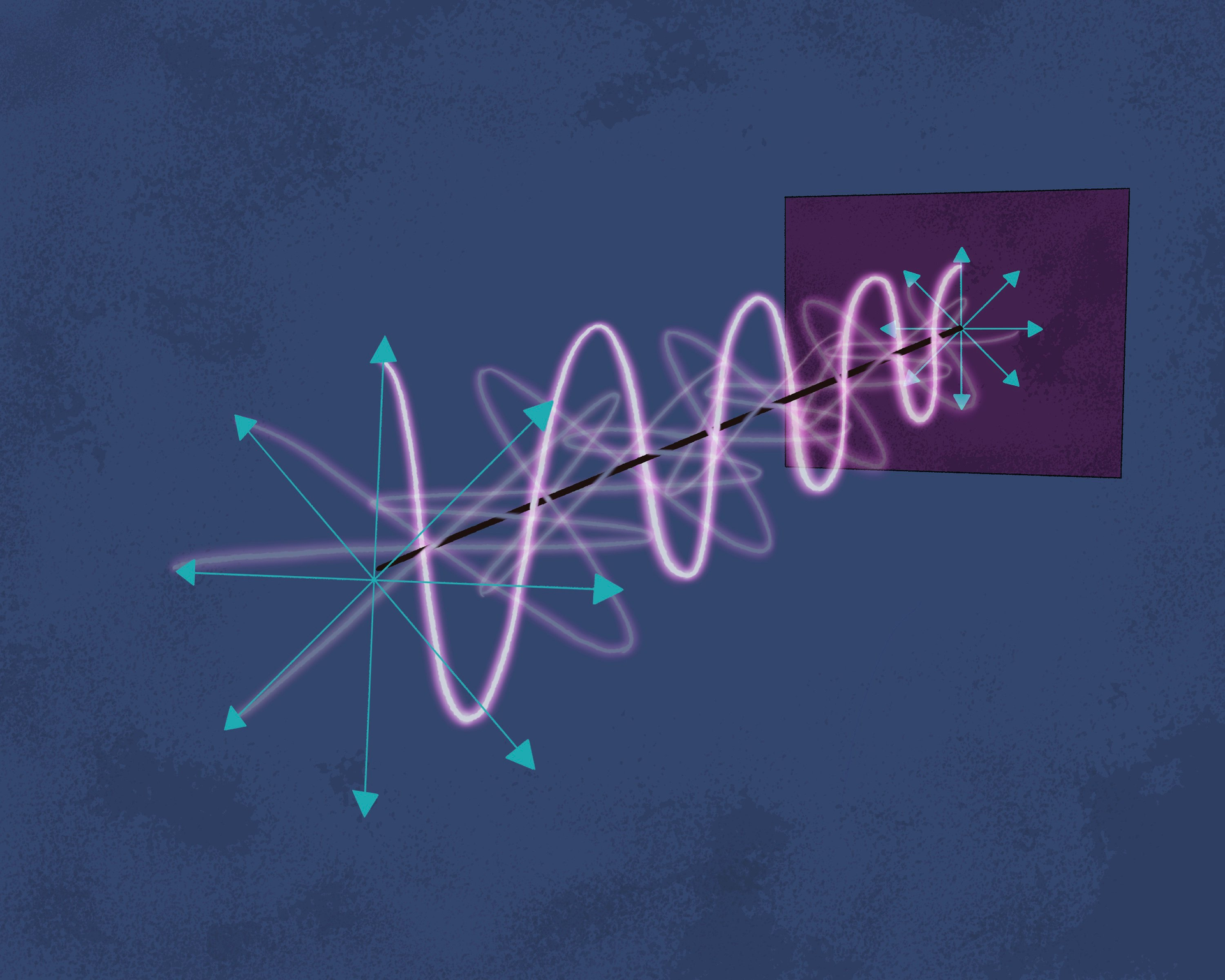
Another key concept is superposition.
In classical physics, an object exists in one state at a time. But in quantum mechanics, a particle can exist in multiple states at once.
For example, an electron can be in multiple positions simultaneously, until it is observed.
Measurement and Uncertainty
In quantum mechanics, observing a system changes it.
Before measurement, a particle exists in a range of possibilities. When we measure it, those possibilities collapse into a single outcome.
This is why quantum physics is often described as probabilistic rather than deterministic.
Why It Feels Confusing
Quantum mechanics challenges our everyday intuition.
We are used to a world where objects have clear positions and predictable behavior. But at the quantum level, reality is based on probabilities, not certainties.
This is why even experienced physicists find it difficult to interpret what quantum mechanics truly means.
Conclusion
Quantum mechanics is not just a theory, it is a fundamental description of how the universe works at its smallest scales.
While it may seem strange, it has been tested countless times and continues to produce accurate predictions.
As we explore deeper, it raises a powerful question:
Is reality as fixed as it seems, or is it something far more flexible?